Deo Chhath Mela 2026: What to Check Before Visiting Bihar’s Sun Temple
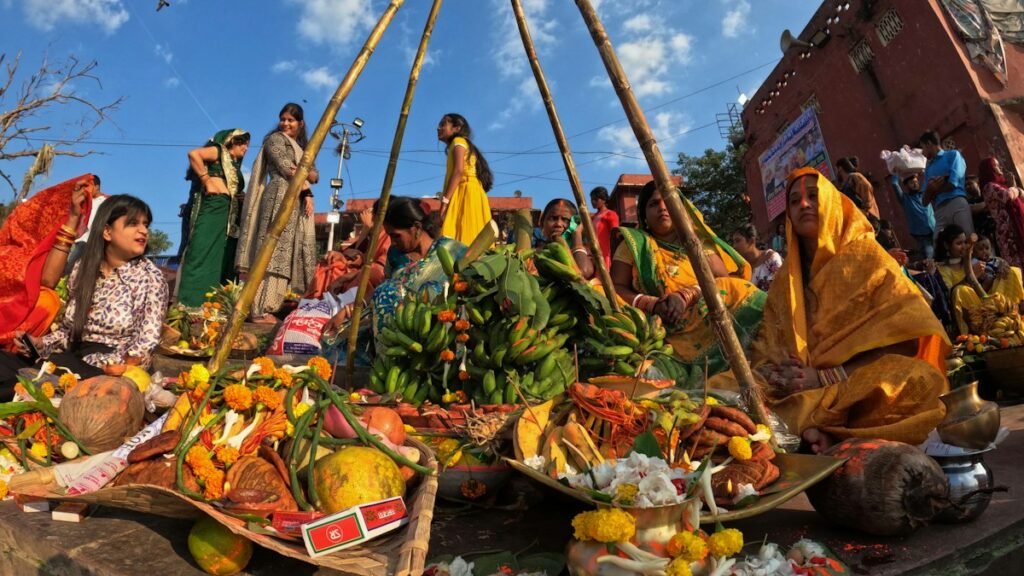
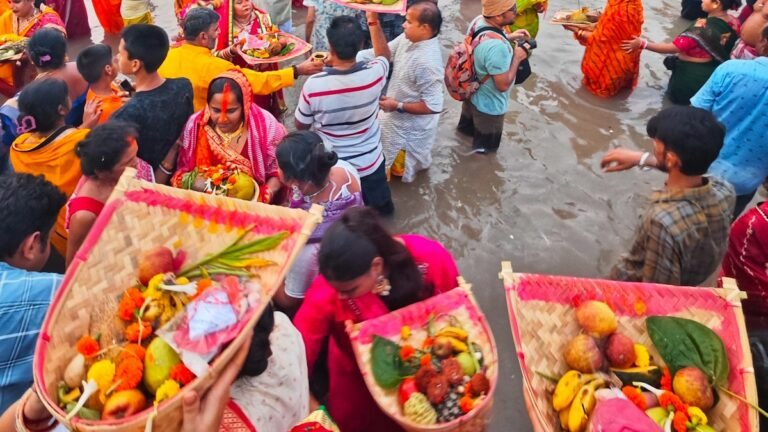
The Deo Chhath Mela in Bihar’s Aurangabad district takes place as devotees gather around the historic Sun Temple during Chhath Puja from 13 to 16 November 2026. The main evening offering falls on Sunday, 15 November, and the morning offering follows on Monday, 16 November. If you are travelling to Deo for either ritual, confirm the local approach and gathering point before setting out.
DD India reported on 12 November that the district administration was preparing accommodation, healthcare, security and transport arrangements. The Aurangabad district tourism page identifies the site as the Deo Sun Temple. The district page gives location context, while current local instructions are the reference for event-day entry and movement.
Know which part of Deo your group is visiting
The Sun Temple is the town’s principal landmark for the festival. DD India describes the shrine as west-facing and notes its carved stone architecture. The orientation is one of the features visitors may notice when approaching the building. For a Chhath visit, confirm separately where your group plans to gather for the offering and where it intends to meet after leaving the ritual area.
Save the full location as Deo, Aurangabad district, Bihar, before opening a map. Aurangabad is a name shared by different places, and a search that omits the district or state can take you to the wrong result. If someone sends a map pin for the temple, ask whether it also marks the drop-off point or whether the group plans to meet at a separate landmark.
Plan the evening and morning visits separately
The Chhath festival calendar gives the four-day sequence from Nahay Khay through the morning arghya. Local sunrise and sunset times vary by place. A Delhi or Varanasi timetable is therefore useful for the order of observances, while the local time in Deo is the one to check for a visit there.
People staying for both offerings will need to plan the overnight interval. Check where you are staying and how far it is from the approach your group will use. If you are returning from another town in the morning, agree on a departure and meeting point the night before. A familiar, clearly named landmark is helpful if you have to approach the area before daylight.
The district administration’s preparations include healthcare as well as transport. Ask where assistance is available near your intended approach, especially if someone in the group is likely to need a rest after walking. A plan based on the specific entrance and nearby facilities is easier to use than one based on the town name alone.
Check the latest approach before entering the mela area
Arrangements can change as the crowd builds. Before leaving, look for the latest local instructions for parking, drop-off and the route on foot. On arrival, follow the signs and directions at the site. Avoid assuming that a route shown on a map for an ordinary day will remain open to vehicles during the main offerings.
If your group includes people who need a shorter walk, ask about the approach from the intended drop-off point before committing to it. Agree on a place to reunite away from the immediate entry area if members arrive separately. Keep the contact and address details accessible on your phone, and share them before the group splits up.
The district preparations cover several aspects of the visit, but the details that determine your journey are local. Check which ritual you are attending, where your group will meet and which route the organisers are using that day. With those details settled, you can use the Sun Temple as a landmark without depending on it as the meeting point for every stage of the trip.