Maruti 800 Wins FIVA Heritage Recognition: Why the SS80 Matters
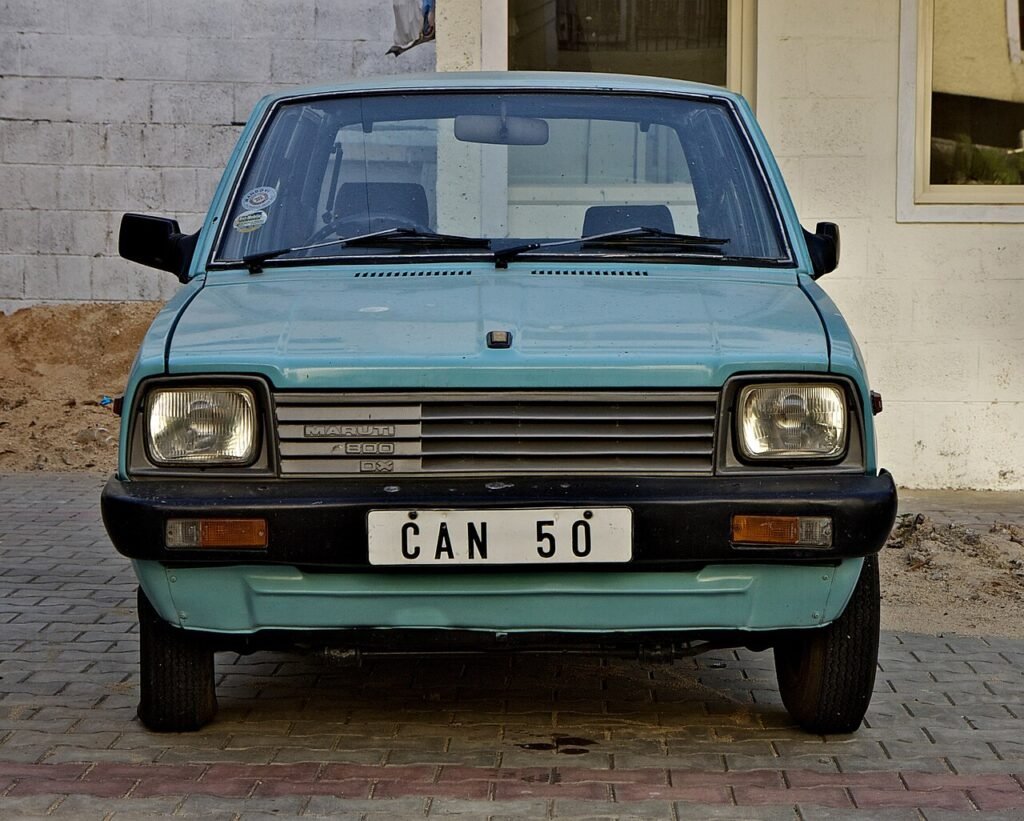
Photo by Aashim Tyagi via Wikimedia Commons, CC BY 2.0, previously cropped and resized.
Maruti Suzuki announced on 16 November 2026 that the Maruti 800 had received the FIVA World Vehicle Heritage Award. The company says the model is the only Indian vehicle among 21 recognised around the world. The announcement puts the focus back on the first-generation SS80 and on how a small passenger car became a large part of India’s motoring history.
What the Maruti 800 FIVA Heritage Award recognises
Maruti Suzuki’s announcement identifies the award as part of the Fédération Internationale des Véhicules Anciens’ inaugural World Vehicle Heritage awards. The company describes recognition for 21 vehicles with historical or cultural significance. That gives the award a different purpose from a current model review or a ranking based on this year’s sales.
The Autocar Professional report places the recognition alongside the car’s role in Indian manufacturing. The 800 became familiar through widespread ownership. The vehicles in an award programme about heritage can have very different prices, designs and production volumes. The relevance of this entry is what the model represented in its market.
How the first Maruti 800 reached Indian roads
Suzuki entered a joint venture with the Government of India in 1982. The company says it manufactured the first Maruti 800 in December 1983. Maruti’s chairman identified the original car as the SS80. That is the designation readers may see in early photographs or historic listings alongside the Maruti 800 name.
The original model name stayed familiar even as later versions changed shape. The featured photo shows a first-generation 800 DX. When comparing older photos or a used-car listing, use the year and body shape alongside the model badge. The badge can identify the broader line while a photograph or build record helps place the individual vehicle.
The Economic Times’ account traces the car’s place in the joint venture and India’s manufacturing growth. Suzuki says more than 2.9 million Maruti 800 cars were made over the following three decades. The figure helps explain the model’s visibility in old street photographs and family accounts of a first car.
Why the exports matter to the award story
Maruti Suzuki says exports started in 1987, with European destinations including Hungary, France and Belgium. For the company, the 800 was both an Indian passenger car and an early export product built in India. An overseas sighting can therefore be part of the model’s history even when the best-known story is its role at home.
Readers following today’s small-car market may think of the Alto name, but the award announcement names the Maruti 800. The current model figures in Bootpoot’s Auto coverage concern later products. The heritage story goes back to the car that entered production in 1983 and to the manufacturing and export milestones Maruti cites in its award release.
For someone restoring a car or identifying a family photograph, the useful records are more specific than the model history. A registration document, service record or dated photograph can help establish when that particular car was in use. The company’s timeline can then put the car in context. Keep a record of the photograph’s source as well, especially when it has been cropped or passed between family members.
Maruti Suzuki’s announcement deals with the nameplate as part of the award programme. A specific surviving car can have its own history of ownership, colour changes or restoration.
The award offers a reason to revisit those records.
The announcement gives collectors and former owners a point of reference for identifying the model being recognised. Start with the 800 name and then look for the generation, build year and market. Those details tell you more about any individual car than the award alone.