
Starship Flight 15: How SpaceX Caught the Upper Stage After an Orbital Flight
SpaceX caught the upper stage of Starship Flight 15 at its Starbase launch tower in Texas on Saturday, 14 November 2026 local time, early on Sunday, 15 November in India. The vehicle had reached orbit and deployed 26 Starlink V3 satellites before returning. The first-stage Super Heavy booster was diverted offshore. The flight therefore demonstrated an upper-stage catch while leaving the planned recovery of both stages unfinished.
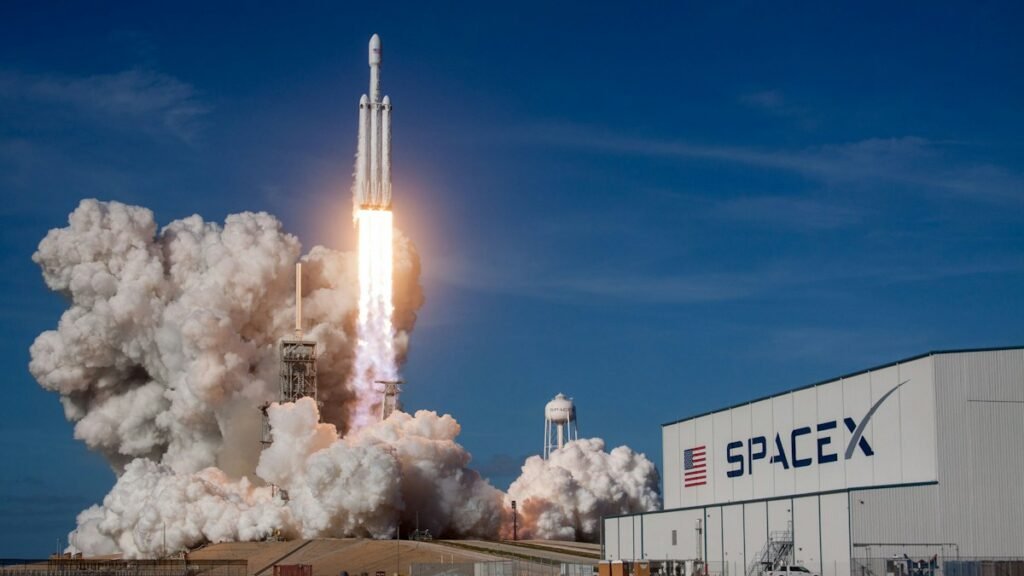
SpaceX’s mission page sets out the two recovery objectives. The Space Road’s timeline brings together the flight summary and updates from SpaceX and places the upper-stage catch at roughly 2:51 a.m. IST on 15 November. The cover photo illustrates a rocket launch.
Why the booster and ship had different outcomes
The two pieces of the launch vehicle split after ascent. Super Heavy was meant to turn back soon after separation. Its boostback burn ended early after the flight system detected low remaining fuel mass, according to SpaceX’s account as relayed by The Space Road. The booster was diverted to a splashdown in the Gulf. The root cause was still under investigation in the report reviewed for this article.
The upper stage, Ship 42, continued to orbit. The booster’s difficulty interrupted one recovery objective. The ship still had its own propulsion, payload and return sequence. That is why a headline about a missed booster catch and a later headline about a successful ship catch can both describe the same flight.
From satellite deployment to the tower catch
SpaceX reported that all 26 Starlink V3 satellites were in orbit. The ship then spent more than 20 hours in space. To return, it carried out a deorbit burn, re-entered the atmosphere and came back to Starbase. The Space Road’s reconstruction describes the ship turning for its final approach and lighting three Raptor engines for the landing flip before the tower’s arms caught it.
The sequence put several tasks into one mission. Releasing the satellites was an orbital operation. The deorbit burn put the vehicle on a return trajectory. Re-entry and the last seconds of approach then brought it within reach of the tower. A tower catch depends on the vehicle getting through each of those stages and arriving at the correct point with the right motion.
The timing also separates the planned tests. The booster was meant to come back within minutes of liftoff. The ship’s return was planned after an extended period in orbit. The tower was therefore involved in two different arrival profiles, even though both recovery attempts were meant to use the same launch site. Flight 15 completed only the later approach. The earlier diversion happened before satellite deployment and did not stop the ship from continuing along its own flight plan.
What the test says about reuse
The successful catch is evidence that the upper stage could complete that return profile and be recovered by the tower in this flight. A full reuse cycle involves further work, including inspection and preparation for another mission. Flight 15 also illustrates why the programme treats the booster and ship recoveries as separate tests even when the mission aims to perform both.
The Associated Press’s launch reporting described the dual recovery goal and the test’s role in SpaceX’s plans for repeated launches. Flight 15 showed the return of the upper stage from orbit. The diverted first stage leaves a different question for another attempt.
For India readers comparing dates, the flight began on Friday afternoon in Texas, early Saturday in India. The ship came back on Saturday afternoon in Texas, early Sunday in India. The timeline explains why the launch and catch can appear under different dates in reports about the same mission.