Why India Celebrates Children’s Day on 14 November
Children’s Day in India falls on Saturday, 14 November 2026. Also called Bal Diwas, it marks the birth anniversary of Jawaharlal Nehru, India’s first prime minister. UNICEF marks World Children’s Day six days later, on Friday, 20 November. Both dates put children at the centre, but they come from different histories.
The Ministry of Tourism’s Children’s Day listing links the Indian observance to Nehru and describes the kinds of school activities held for it. The Maharashtra Housing and Area Development Authority’s 2026 calendar entry also marks 14 November and identifies this year as his 137th birth anniversary.
Why 14 November is Bal Diwas
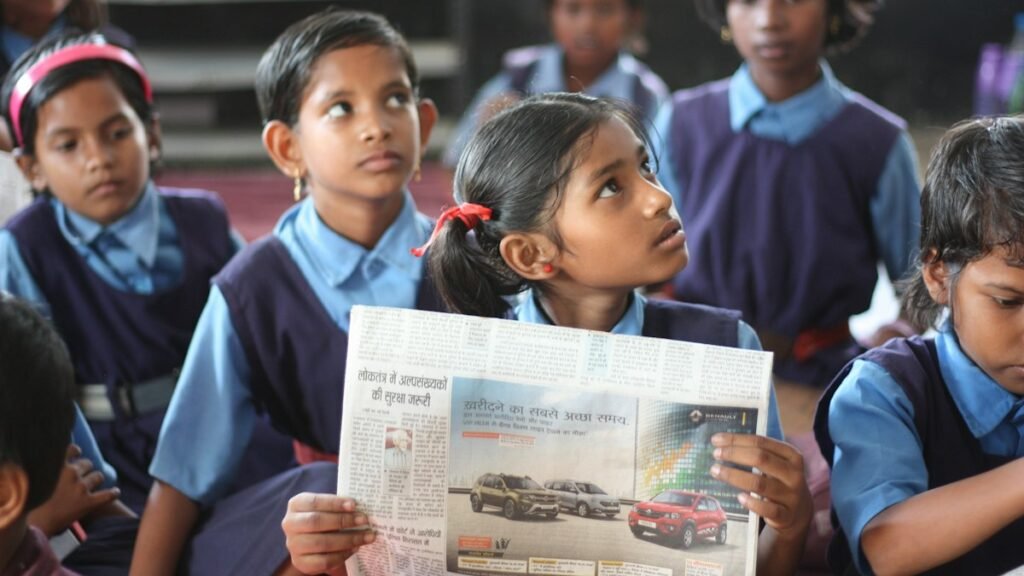
Nehru’s birth anniversary provides the date. The annual observance is an opportunity to give children attention in schools, families and community spaces. India’s official tourism description associates Nehru with children’s education and welfare and notes the affectionate name Chacha Nehru. Schools often mark the day through sports, cultural programmes and contests.
The calendar date stays the same each year even as the weekday changes. In 2026 it falls on a Saturday, so a school that does not normally hold Saturday classes may choose a different day for an activity. A circular or class message gives the actual timing for that school. The national observance still falls on 14 November.
What happens on 20 November
UNICEF’s World Children’s Day page gives 20 November 2026 as the global date. It marks the United Nations General Assembly’s adoption of the Declaration of the Rights of the Child in 1959 and the Convention on the Rights of the Child in 1989. UNICEF uses the anniversary to highlight children’s rights and give young people a platform to talk about their lives.
UNICEF India describes National Children’s Day as the start of a lead-up to the global observance. That explains why a school or organisation can refer to Children’s Day on 14 November and still plan activities for 20 November. One date comes from India’s commemoration of Nehru’s birthday. The other is an international anniversary.
Ways a school or family can mark the day
A programme can start with a short explanation of both dates, then give children time to choose or lead an activity. A class could invite pupils to suggest a school improvement and explain how it would help others. Younger children might draw an idea for a better playground or library and tell the class what they changed. The useful part is hearing their reasoning, including ideas adults might miss.
For a family, the conversation can be smaller. Ask children what they would choose to do together or what rule they would like adults to explain. Give everyone time to answer, especially children who prefer to think before speaking. A thank-you message to a child, teacher or caregiver can sit alongside that conversation. It gives the greeting a specific person and moment.
A short classroom activity could also ask pupils to make a two-date calendar. Under 14 November they can write the connection to Nehru. Under 20 November they can add one example of a right that matters in everyday life, such as access to education or the chance to be heard. The two entries give the discussion a clear starting point while leaving room for pupils’ own examples.
If you are preparing a school speech, use 14 November for India’s Bal Diwas and 20 November for World Children’s Day. A short speech can connect the dates through a concrete example, such as the difference a welcoming classroom or a safe place to play can make. That puts the observance in terms children and adults can discuss together.
For a school notice, spelling out both dates and their names also helps families distinguish the two events.