Chhath Puja Kharna 2026: What Families Observe on the Second Day
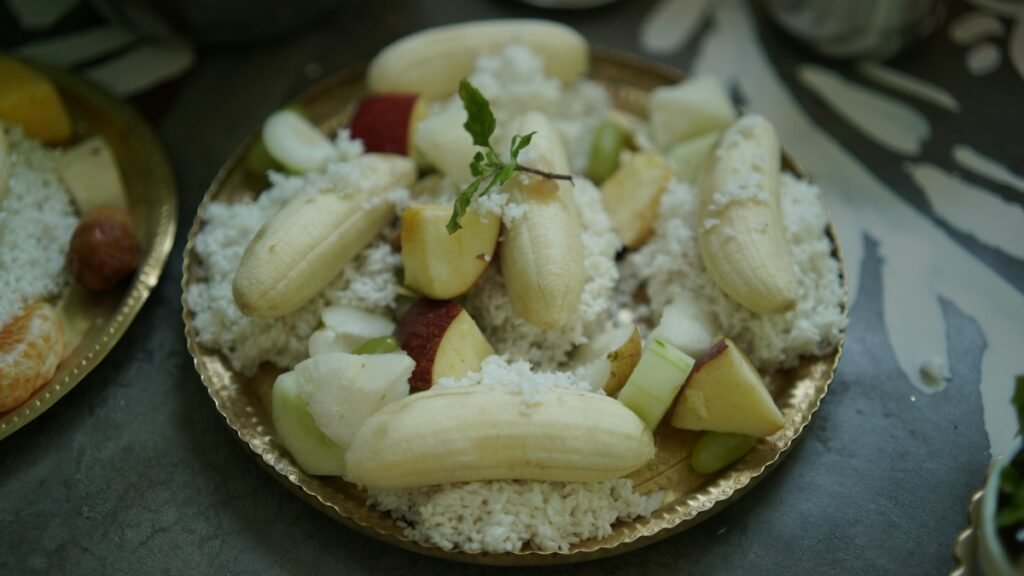
Chhath Puja Kharna falls on Saturday, 14 November 2026. It is the second day of the four-day observance, following Nahay Khay and preceding the evening and morning offerings to the Sun. In many households, the person observing the fast takes prasad after the evening prayer. Rice kheer sweetened with jaggery is one of the foods commonly associated with the occasion.
The PSOTS community schedule places Kharna on 14 November and describes an after-sunset offering of rice, jaggery and milk kheer. The Economic Times’ account of the day also describes kheer as prasad and places the evening meal at the transition into the longer fast.
Where Kharna fits in the four-day sequence
On the first day, Nahay Khay, families begin preparations and the observance gets under way. Kharna has its own rhythm through the second day. The person observing it fasts, the household prepares the offering, and the evening prayer comes before the prasad is taken. Families may also share prasad with relatives and neighbours, depending on their practice.
The next major ritual is Sandhya Arghya, the offering to the setting Sun on Sunday, 15 November. Usha Arghya, the offering to the rising Sun, follows on Monday, 16 November. The Chhath Puja calendar gives the sequence and the published timings for Delhi and Varanasi. A family observing in another place should use the sunset and sunrise for its own location.
What the jaggery kheer is for
The kheer is an offering before it is a meal. The community schedule describes rice cooked with milk and jaggery, and describes a traditional method using an earthen vessel and a stove. Other households follow the method handed down in their family. If you are helping with a first Kharna, ask the person leading the observance what ingredients and utensils the household reserves for preparation.
It can help to plan the work around the serving order. Set aside the ingredients the family expects to use, ask where the offering should be placed, and leave time for the kheer to be ready before the evening prayer. If relatives are coming, confirm when the family expects to share the prasad so guests arrive at the appropriate point.
How to help if someone else is observing the fast
Ask which parts of preparation the person observing would like to handle personally. Other relatives can check supplies, arrange the space, accommodate guests and prepare for the next day’s ghat visit. This is also a good time to confirm how the family will carry its offerings on Sunday and where everyone plans to gather.
Keep the evening prayer and the next day’s sunset offering distinct when planning visits. Kharna belongs to the second day and is commonly observed at home, while the following day’s arghya is associated with the setting Sun and often brings families to a riverbank or other designated water site. The exact arrangements depend on the household and local organisers.
When several households prepare food together, agree in advance which items are for the initial offering and which will be served afterwards. Keeping the portions and utensils organised is a practical way to support the person observing the ritual. If relatives follow different customs, confirm how the host family plans to serve the prasad before bringing another dish or changing the established sequence.
For Saturday, the date to remember is 14 November and the ritual to plan around is the evening Kharna offering. For Sunday and Monday, confirm the local arghya times and the location the family has chosen. That keeps each day’s preparations tied to the observance it serves.
If the gathering includes visitors, a short explanation of the order of the prayer and the offering can help them follow the household’s practice.