India A vs Pakistan Shaheens: where the 48-run gap opened in Doha
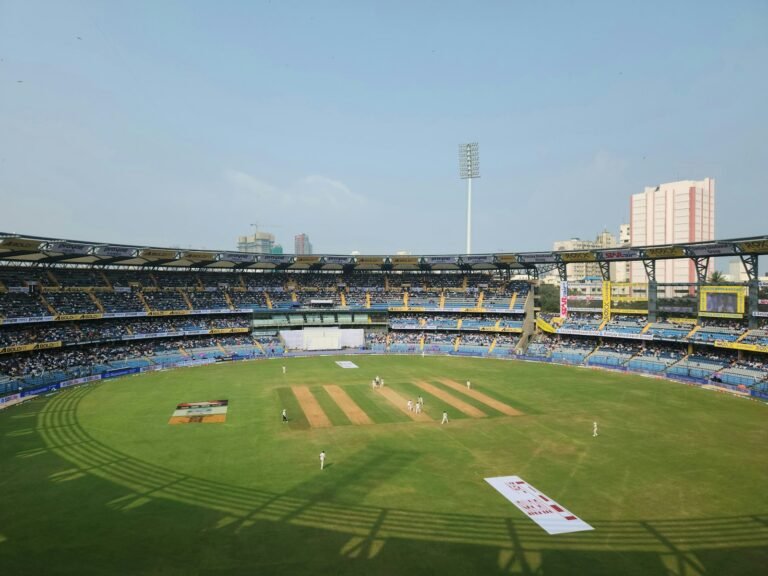
When Shahbaz Ahmed fell for 56 in Doha, India A had just added 112 runs without losing a wicket. They still needed 73 to beat Pakistan Shaheens, with only three wickets left. That moment explains how a chase featuring a century from Tilak Varma and a blistering 70 from Abhishek Sharma ended in a 48-run defeat. The Shaheens made 313 and dismissed India A for 265 in their Group B match at the West End Park International Cricket Stadium on November 22.
Hasan Nawaz did the most to put that gap on the scoreboard. He made 79 and then took three wickets for 45. He also held the catch that ended Shahbaz’s innings off Ali Raza, giving him a hand in the breakthrough that split India’s biggest recovery stand. The result came in the 50-over Asia Cup Rising Stars competition. The BCCI match centre lists the Doha fixture as the eighth match of the tournament.
Where Pakistan found the runs for a target of 314
The Shaheens chose to bat and lost their first two wickets a run apart. Shamyl Hussain’s dismissal at 66 was followed by Rohail Nazir’s at 67. An early double strike often leaves two new batters together. Here, opener Maaz Sadaqat was still at the crease. He made 59 from 63 balls, and his team had reached 121 by the time he became the third wicket. Those runs meant the next pair could build on a three-figure total with more than 30 overs of the innings available.
Hasan hit five fours and four sixes. Those nine shots accounted for 44 of his 79 runs, leaving 35 scored without a boundary. His wicket fell with the total at 230 in the 39th over. In many matches that would mark the end of the strongest part of an innings. Pakistan still found 83 more runs here. Farhan Yousaf made 56 from 48 balls and was the eighth batter out, by which time the total had already crossed 300. The Pakistan Cricket Board’s match report identifies all three half-centuries.
Two top orders reached similar scores at very different costs
The comparison below follows the fall of wickets in both innings. Comparing the teams at an equal number of dismissals shows the size of the task India’s lower order inherited. These are snapshots from different overs. They measure how many runs each batting order produced before losing the same number of players, rather than which team led at a particular point on the match clock.
| Wickets lost | Pakistan Shaheens | India A |
|---|---|---|
| Six | 264 | 129 |
| Seven | 284 | 241 |
| Ten | 313 | 265 |
At six wickets down the difference was 135 runs. By the fall of the seventh it had shrunk to 43. That shift gives Tilak and Shahbaz credit for much more than making the result respectable. Their partnership recovered 92 runs relative to the equivalent stretch of the Pakistan innings. It also shows precisely where their influence ended. After the seventh wicket, Pakistan had found another 29 runs. India added 24, slightly widening the gap again by the time the last wicket fell.
Abhishek’s 70 gave India speed, and Tilak’s hundred gave them time
Abhishek needed only 42 deliveries for his 70. Six fours and six sixes brought him 60 runs in boundaries alone. That is twelve scoring shots for nearly a fifth of the entire target. The problem for India was how much of the early scoring belonged to one player. Subtract his contribution from the total of 129 for six and only 59 runs remain from everyone else combined, including extras, up to that point. The completed scorecard records the recovery from there.
Tilak made 100 from 149 balls and was last out. His seven fours and one six brought 34 runs, a much smaller share of his innings than Abhishek’s boundaries contributed to his. Reading the scoring rates alone misses the choices available to each batter. At 129 for six, another dismissal would have exposed the last three wickets with the target still 185 runs away. Tilak’s time in the middle gave Shahbaz the opportunity to make 56 from 49 deliveries, including four sixes.
The stand took India to 241, but keeping the partnership intact had also become essential to finishing the chase. Once Ali Raza removed Shahbaz, more than twice as many runs were still required as Pakistan had scored after losing their own seventh wicket. Hasan’s contribution with the ball and Ali’s three wickets gave the Shaheens ways to keep taking wickets even after their largest opening had appeared to close. India were all out after 49 overs and one ball, with five legal deliveries unused.
For a reader coming to the game through the individual scores, the arithmetic offers a final perspective. Abhishek, Tilak and Shahbaz supplied 226 of India’s 265. Pakistan’s three half-centurions supplied 194 of their 313. India actually came out ahead on that comparison. Across the rest of the batting and extras, the Shaheens found 119 runs to India’s 39. That wider spread of scoring paid for the wicketless stretch against Tilak and Shahbaz and still left Pakistan room to win.