Tata Punch EV 30 vs 40 kWh: How to Compare Range and Charging for Your Commute
The Tata Punch EV 30 vs 40 kWh comparison begins with identifying the right generation. Tata’s current product information describes 30 kWh and 40 kWh options, while older Punch EV documents refer to 25 kWh and 35 kWh packs. A specification copied from an older brochure should not be used to describe the newer car.
For a daily-use decision, compare the battery size, the kind of range figure being quoted and the charging access you will actually have. The larger battery is only one part of the ownership plan; a suitable place and time to charge are equally relevant.
Two range measures need separate labels
Tata’s range-support information separates MIDC P1+P2 figures from C75 figures. Its table lists the Punch EV 30 at 260–275 km C75 and the Punch EV 40 at 335–355 km C75. The same table shows a different set of numbers under the MIDC heading, with a certification footnote that needs to be read alongside the entries.
The manufacturer’s C75 explanation describes it as a near-real-world disclosure based on customer usage data and intended to indicate the range 75% of customers can expect. It remains a manufacturer estimate, not a guarantee that every driver will achieve the upper end on every journey.
Compare the same type of figure
When comparing two battery options, use C75 against C75 or a stated test-cycle figure against the same test cycle. Comparing one car’s headline certification figure with another car’s near-real-world estimate creates an uneven comparison even when both numbers were copied correctly.
Write the label beside the distance in your notes. For example, a line reading “335–355 km, manufacturer C75” carries more useful information than a bare “355 km range.” Keep the model year and battery capacity on that line as well so the number does not get detached from the version it describes.
Start with the journeys you repeat
List your normal weekday travel, including detours that happen regularly rather than only the direct distance to work. Add the other trips you tend to combine with that journey. Then identify where you can reliably charge before the next day’s travel rather than assuming you will always start with a full battery.
A driver with dependable overnight charging faces a different planning problem from someone relying on public chargers. The first can plan around a regular routine; the second needs to consider the location, availability and time required for a charging stop. Neither situation can be resolved by battery capacity alone.
Read a fast-charge claim with its conditions
Tata’s new Punch EV product explanation describes 65 kW DC fast-charging support and a 20–80% charging claim of 26 minutes. The starting and ending percentages matter. A partial-charge time is not the same as a zero-to-full time, and a peak power figure should not be treated as the power maintained throughout every session.
For a home installation, ask the dealer and installer to confirm what equipment is included with your exact variant and what work is required at your parking space. Keep those answers in the written quotation. A shared parking arrangement may need a different practical plan from an individual driveway.
Check the actual variant before comparing prices
Battery capacity and equipment level are separate choices. Two quotations may differ in features, charger provision or other included costs as well as in battery size. Ask for a breakdown that lets you compare the vehicle, accessories, installation and any optional packages separately.
On a test drive, use a route that resembles your normal driving and ask the representative to explain the displayed battery percentage and range estimate. Treat that short drive as a chance to understand the controls and information display, rather than a complete independent range test.
Before committing, match the written quotation to the current official brochure and the exact battery option. That gives you a consistent comparison built around your journeys and charging access instead of a choice based on whichever headline distance looks larger.
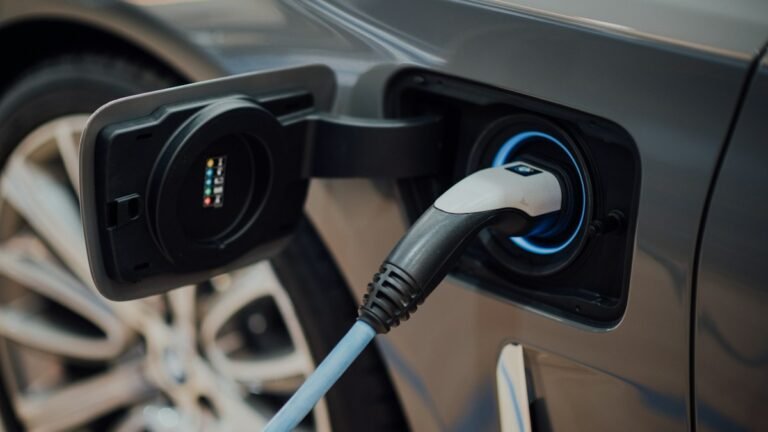
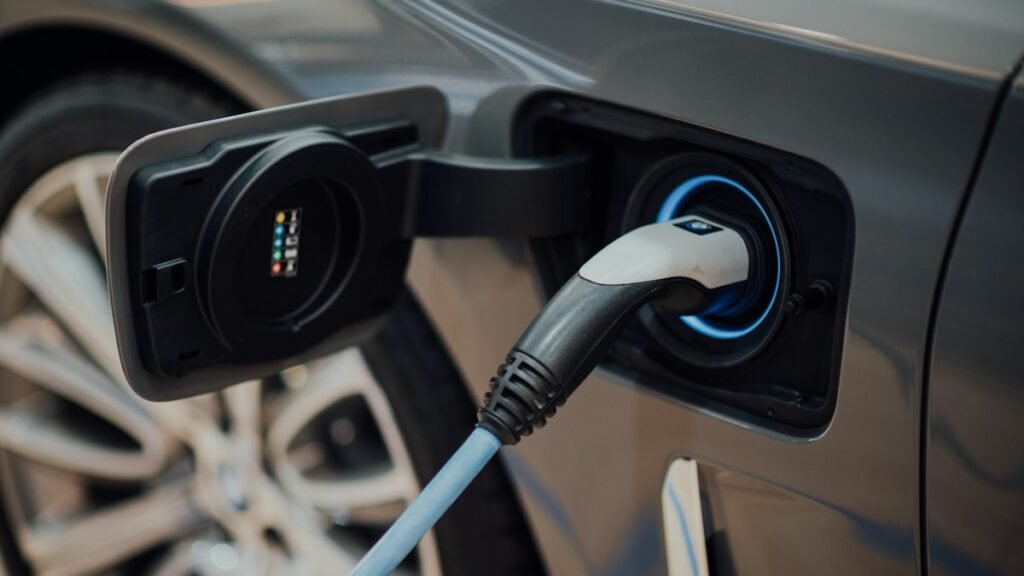
The photograph is illustrative stock imagery, not the Tata Punch EV.